Hey guys!
The last couple of weeks have made it impossible to ignore mother nature’s cries for help, and the anger of many of our citizens.
Last Friday saw a business strike and protest in cities worldwide in anticipation for the UN Climate Action Summit, with a turnout in Newcastle of more than 10,000 people. Check out the video below!
September 16th saw the Hunter Valley placed on level 1 water restrictions, with much anger directed at the council for waiting this long to put the restriction in place.
Over the last few days, Scott Morrison has announced that the Australian government is investing $150 million over five years for Australian businesses and researchers to support NASA’s moon to Mars exploration plan. According to the prime minister, this will provide more jobs for Australians, more technology and more investment in businesses which will have a positive impact on the overall economy.
Meanwhile, crops, livestock and entire farms throughout New South Wales are dying, with towns like Tamworth on level 6 water restrictions; some towns at the point of having water shipped in for them.
Worse still, there are approximately 13 million metric tons of plastic dumped in the ocean each year, which is already having a tragic impact on wildlife.
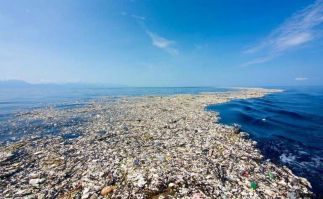 Like any other issue, people have taken to social media to express their anger and concerns. Like any other issue, people are quick to blame the prime minister and the supermarket giants. Yes, there is money being spent on a space program which could be better spent helping those affected by drought. And yes, supermarkets do use plastic to cover many of their produce items. However, the plastic prolongs the life of most produce items, while plastic leafy salad vegetable packs have no alternative. This becomes a battle between the worse of two evils: plastic or mass food wastage.
Precious few are able to admit that perhaps us, the everyday citizens are playing a part in the demise of our precious planet.
Rome wasn’t built in a day, and like this old cliché, the truth is: one single person can’t change the world, and certainly not overnight. However, we can all do our part to reduce our environmental footprint.
- Recycle everything recyclable. It is easy to accidentally throw recyclables in the normal bin. A milk carton here, a glass bottle there. They all add up, and if everyone allows the strays in, they add up even faster. Go to Kmart and buy three kitchen bins: one for garbage, one for recycling, and one for compost. This will also reduce the number of times you have to go outside to the bins.
2. Keep material bags handy for shopping. Last year most shops stopped giving out single use plastic bags. While there is still a 15 cent bag option available, this is still plastic, and is only minimising the overuse of plastic, not stopping it. Go for the 99 cent bags and use them as many times as possible before disposing of them, and when you do, they break down much better than plastic.
3. Be aware of how much produce you buy is covered in plastic. As stated above, in the interest of reducing food waste, it is impossible to rid plastic altogether. However, take notice of when recyclable plastic is being used, and afterwards, ensure you recycle it.
4. Be conscious of the things you buy. Are the materials either recycled, or biodegradable? Reflex paper even has a recycled paper option available now.
5. Keep buckets and water jugs around the house. Have you ever washed a load of dishes or taken a shower and wondered how much water you wasted before it heated up? Place a jug or bucket underneath, then use the water on the lawn or plants. This could potentially save you having to hose your greenery to keep it alive.
6. Time your showers. One great way to do this is to play your favourite song and aim to finish your shower before the song is over.
7. Think about how often you’re driving. If/when possible, try walking or riding your bike or scooter when traveling a short distance. For the longer trips, give public transport a try.
8. Join environmental groups. This doesn’t mean plastering hatred all over social media and forcing your beliefs onto anyone who will listen. Many groups are underfunded and underrepresented, and with more people to speak up for them, this gives them the chance to actually be heard, and possibly bring change.
While these actions may seem small, but the small things all add up, and if we all do our part, we can help reduce our environmental footprint and our grandchildren and great-grandchildren will have a chance to live a green, happy life.

